- Money254 Money Weekly
- Posts
- 5 December Money Mistakes That Follow You Into January
5 December Money Mistakes That Follow You Into January
December is a joyful season, but it can have a lasting impact on your finances if not handled carefully. Overspending, reliance on credit, and broken saving habits can make January feel like a financial hangover. Planning, setting limits, and staying disciplined can help you celebrate responsibly and start the new year on a strong financial footing.

Washington Mito
December 17, 2025

Greetings, and welcome to the 51st edition of the Wallet Wellness Newsletter - your midweek source of practical financial tips to elevate your money management skills!
We hope you got a chance to read last week’s edition, where we discussed what December spending patterns say about your money habits. This week, we shift gears to 5 December money mistakes that follow you into January.
As always, be sure to check out the Concept Corner below for a deep dive into the money concept of the week.
Let’s dive in!
MONEY254 TIP OF THE WEEK
5 December Money Mistakes That Follow You Into January
The festive season in Kenya is exciting: end-of-year bonuses, family gatherings, and holiday celebrations create a sense of abundance. But often, the way we handle money in December ends up causing stress in January. Here are five common money mistakes to watch out for — and how to avoid them.
1. Overspending to “Show Progress” During the Holidays
December often comes with social pressures — office parties, family gatherings, and weddings. Many feel the need to display financial success through gifts, new clothes, or elaborate celebrations. While it may feel good temporarily, overspending on appearances can drain your cash reserves and leave you scrambling in January.
Remedy: Set a festive budget and prioritize meaningful spending. Choose quality experiences over costly displays.
2. Forgetting That January Is Still a Full Month
It’s easy to think that December is an exception — a “bonus month” that doesn’t affect your long-term finances. But come January, normal expenses resume: rent, school fees, transport, and groceries. Without planning, your December indulgence can make the first month of the new year stressful.
Remedy: Factor January expenses into your December budget to avoid surprises.
3. Using Loans to Fund Festivities
Many Kenyans turn to mobile loans, overdrafts, or credit cards to fund December spending. While it seems convenient, these debts carry interest and start impacting your finances immediately in January.
Remedy: Limit festive borrowing to what you can realistically repay within a month and prioritize cash-based spending.
4. Overcommitting to Family Support
December is a time when family expectations rise. Contributions for relatives, extended family gatherings, and school fees can easily exceed your comfort level. Overcommitting can leave you financially strained and force you to dip into savings or go into debt.
Remedy: Communicate limits clearly and stick to what you can comfortably afford. Planning ahead for family support is key.
5. Breaking Saving Habits “Just for December”
Many treat December as a free-spending month, pausing regular savings or withdrawing from emergency funds. This temporary break often becomes a habit, making it harder to restart saving routines in January.
Remedy: Continue contributing to your savings, even if the amount is smaller, and avoid touching emergency funds unless it’s an actual emergency.
Final Thoughts
December is a joyful season, but it can have a lasting impact on your finances if not handled carefully. Overspending, reliance on credit, and broken saving habits can make January feel like a financial hangover. Planning, setting limits, and staying disciplined can help you celebrate responsibly and start the new year on a strong financial footing.
Compulsive Saving
Compulsive saving refers to the habit of excessively hoarding money and avoiding spending, even on essential needs or worthwhile experiences, due to an overwhelming urge to save. Examples include refusing to buy necessary items, skipping important social activities, or keeping large amounts of money idle instead of investing it, often at the expense of personal comfort or financial growth. Read more.

%20(3).jpg)
Money Tips & Career Advice



MONEY254 #MONEYTOK
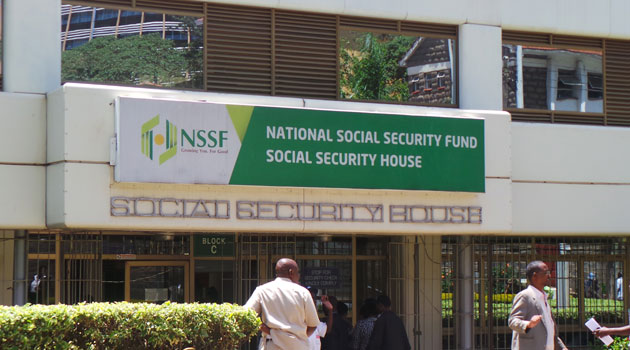
How New NSSF Rates Will Reduce Your Salary From February 2026
Kenyans earning more than Ksh50,000 per month, will take home less pay beginning February 2026, when the government will implement the new NSSF contribution rates. Under the new structure, workers will contribute up to Ksh2,160 more every month to NSSF, directly reducing their disposable income.
In this video, we break down what the new NSSF rates mean using real salary examples, from Ksh75,000 all the way to Ksh1 million, and show how much take home pay will reduce at each level.
Watch to learn more.
That's it for this edition of Wallet Wellness. We hope these financial tips have added some energy to your hustle. Stay tuned for more practical insights in our next edition of "Wallet Wellness" next week, and watch out for Money Weekly in your inbox this Friday.
Also, don’t forget to download the Money254 App on the Google Play Store, and remember that we can help you compare over 300 loans, savings accounts, current accounts, and more if you’re thinking about your next product.
Cheers to your wallet's well-being!
Money254 editorial team.
FEEDBACK REQUEST ❤️
Thank you to all of you who gave feedback on last weeks newsletter!
❤️ Share with a friend
Thanks for reading. If you liked this week’s Wallet Wellness email, we’d love for you to share it with a friend.
If this email was forwarded to you, you can subscribe here.