- Money254 Money Weekly
- Posts
- What High Fuel Prices Mean for Your Budget And How to Adjust
What High Fuel Prices Mean for Your Budget And How to Adjust
High fuel prices are not just a temporary inconvenience; they are a shift in your cost of living. The sooner your budget reflects that reality, the easier it will be to stay in control of your finances.

Washington Mito
April 15, 2026
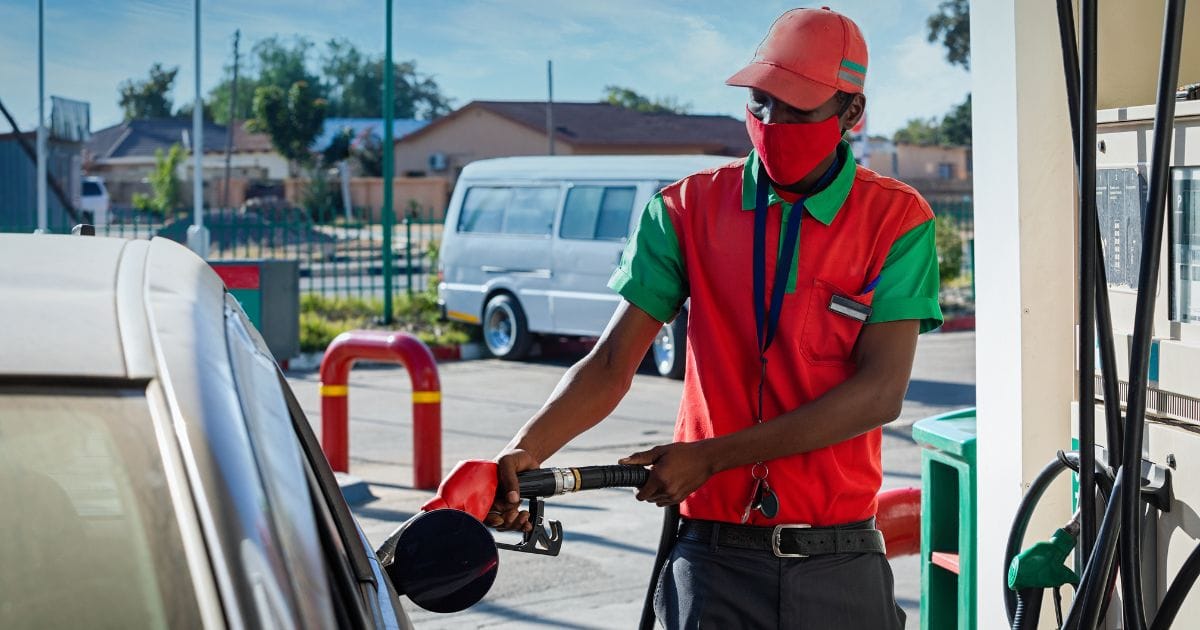
Greetings, and welcome to the 11th edition of the Wallet Wellness Newsletter in 2026 - your midweek source of practical financial tips to elevate your money management skills!
We hope you got a chance to read the last edition, where we discussed the difference between financial discipline and motivation. This week, we focus on what high fuel prices mean for your budget.
As always, be sure to check out the Concept Corner below for a deep dive into the money concept of the week.
Let’s dive in!
Sponsored Content
Have you ever taken a loan for your SME where the interest stays fixed no matter how fast you repay?
With Jackfruit, you don’t get a fixed rate. You can access up to Ksh1 million and only pay interest on the outstanding balance, meaning the faster you repay, the less interest you are charged.

MONEY254 TIP OF THE WEEK
What High Fuel Prices Mean for Your Budget And How to Adjust
Fuel prices don’t just affect drivers.
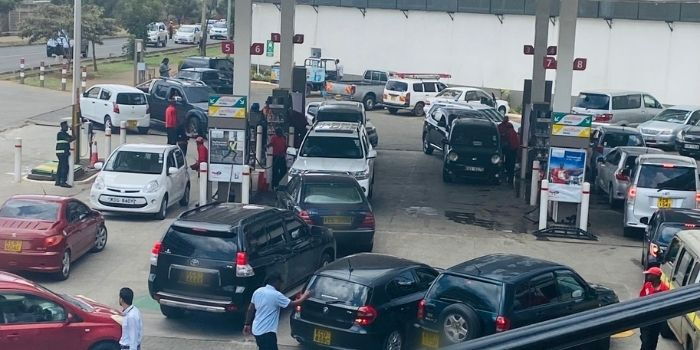
Whether you own a car or rely on matatus, rising fuel costs quickly find their way into your daily spending. With matatu fares already going up by as much as 25%, and transport costs affecting everything from food delivery to market prices, the pressure on your budget is immediate.
The impact is both direct and indirect—and if you don’t adjust early, it can quietly stretch your finances.
For those who drive, the effect is obvious. The cost of a full tank goes up, meaning you’re spending more just to maintain the same routine. Daily commutes, school runs, and errands now cost significantly more over the month. What used to feel manageable can quickly become one of your biggest expenses.
For those using public transport, the increase shows up in fares. A route that costs Ksh100 may now cost Ksh120 or more. It may seem like a small difference per trip, but over a full month of commuting, that increase adds up quickly and eats into your disposable income.
But fuel prices don’t stop at transport. They also affect the cost of goods, especially food. Higher fuel costs mean higher transportation costs for suppliers, which often lead to increased prices in markets, supermarkets, and shops. This means you’re paying more not just to move, but also to eat.
So what should you do?
The first step is to accept that your budget needs adjusting. Trying to maintain the same spending plan in a higher-cost environment will only lead to strain. Start by reviewing your transport costs as a priority expense. Whether it’s fuel or fares, this category now takes up a larger share of your income.
Next, look for ways to reduce unnecessary movement. Combining errands, planning trips in advance, or reducing non-essential travel can make a noticeable difference over time. For drivers, this could mean fewer short trips or carpooling where possible. For commuters, it may involve adjusting travel times or routes to avoid peak pricing.
It’s also important to re-evaluate your food spending. With prices likely to rise, being more intentional about where and how you shop can help control costs. Buying in bulk, choosing alternatives, or cutting back on frequent takeouts can offset the indirect impact of fuel prices.
Finally, you may need to adjust other areas of your budget to accommodate these changes. If transport and food costs rise, something else may need to be reduced to maintain balance.
The key is to act early.
Survival Mindset
A survival mindset is a way of thinking where most financial decisions are focused on meeting immediate needs rather than long-term goals. It happens when income is tight, or expenses are high, forcing someone to prioritise short-term stability, like paying rent, buying food, or covering urgent bills, over saving or investing. Read more

Money Tips & Career Advice


MONEY254 #MONEYTOK
Top 10 Banks With the Most Affordable Loans in Kenya
Loan interest rates in Kenya eased in the first two months of the year.
New data from the Central Bank of Kenya shows the average lending rate dropped slightly from 14.83% in January to 14.78% in February, with some banks offering loans as low as 10.21%. This shift is driven by the new risk-based pricing model, making borrowing more transparent and fair.
Watch the video to know which banks have the most affordable loans.
@money254hq 𝐓𝐨𝐩 𝟏𝟎 𝐁𝐚𝐧𝐤𝐬 𝐖𝐢𝐭𝐡 𝐭𝐡𝐞 𝐌𝐨𝐬𝐭 𝐀𝐟𝐟𝐨𝐫𝐝𝐚𝐛𝐥𝐞 𝐋𝐨𝐚𝐧𝐬 𝐢𝐧 𝐊𝐞𝐧𝐲𝐚 Loan interest rates in Kenya eased in the first two months of the year. New data fro... See more
That's it for this edition of Wallet Wellness. We hope these financial tips have added some energy to your hustle. Stay tuned for more practical insights in our next edition of "Wallet Wellness" next week, and watch out for Money Weekly in your inbox this Friday.
Also, don’t forget to download the Money254 App on the Google Play Store, and remember that we can help you compare over 300 loans, savings accounts, current accounts, and more if you’re thinking about your next product.
Cheers to your wallet's well-being!
Money254 editorial team.
FEEDBACK REQUEST ❤️
Thank you to all of you who gave feedback on last weeks newsletter!
❤️ Share with a friend
Thanks for reading. If you liked this week’s Wallet Wellness email, we’d love for you to share it with a friend.
If this email was forwarded to you, you can subscribe here.